Understanding Waterproofing Membranes: Class I, II & III Explained
When it comes to delivering long-lasting, high-quality renovations, waterproofing isn’t just a step in the process—it’s the foundation of durability. At its core, waterproofing membranes are classified into three distinct classes, each designed to suit different structural conditions, movement levels, and performance expectations.
A professional approach to waterproofing means selecting the right system for the right environment—not just what’s cheapest or easiest.
Class I: Low Movement (Rigid Systems)
Purpose:
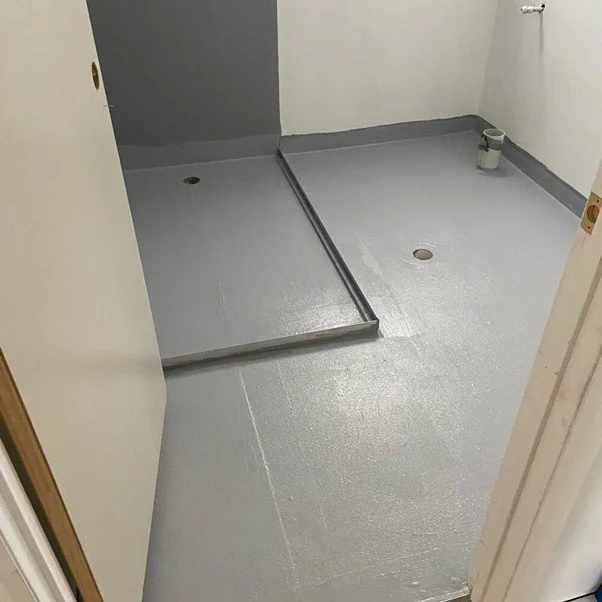
Class I membranes are designed for areas with minimal structural movement. These are rigid systems, typically cementitious-based, that perform well where the substrate is stable and unlikely to shift.
Where they’re used:
- Concrete slabs
- Stable masonry surfaces
- Low-risk internal areas
Key characteristics:
- Limited flexibility
- Strong adhesion to stable substrates
- Cost-effective solution for simple applications
Professional insight:
While Class I systems can be effective in the right conditions, they are not suitable for areas prone to movement, such as suspended floors or junctions. Using them incorrectly often leads to cracking—and ultimately, failure.
Class II: Medium Movement (Flexible Systems)
Purpose:
Class II membranes are designed to handle moderate movement, making them the most commonly used system in residential bathrooms and wet areas.
Where they’re used:
- Bathrooms and laundries
- Balconies
- Internal wet areas with some structural movement
Key characteristics:
- Flexible and elastic
- Bridges small cracks and movement
- Compatible with most substrates
Professional insight:
This is where experience matters. A high-quality Class II membrane—particularly water-based polyurethane—offers excellent adhesion and flexibility. More importantly, tiles bond properly to these systems, unlike oil-based or solvent-based membranes, where adhesion can be compromised and lead to delamination over time.
Class III: High Movement (Highly Flexible Systems)
Purpose:
Class III membranes are engineered for areas with significant structural movement, thermal expansion, and environmental exposure.
Where they’re used:
- Bathrooms and internal wet areas
- External balconies and rooftops
- Planter boxes
- Areas exposed to weather and temperature changes
Key characteristics:
- High elasticity and crack-bridging capability
- Resistant to UV, moisture, and temperature fluctuations
- Long-term durability in harsh conditions
Professional insight:
In external environments, movement is inevitable. A Class III system ensures the membrane can expand and contract without failing, protecting both the structure and the finishes above.
Why Choosing the Right Class Matters
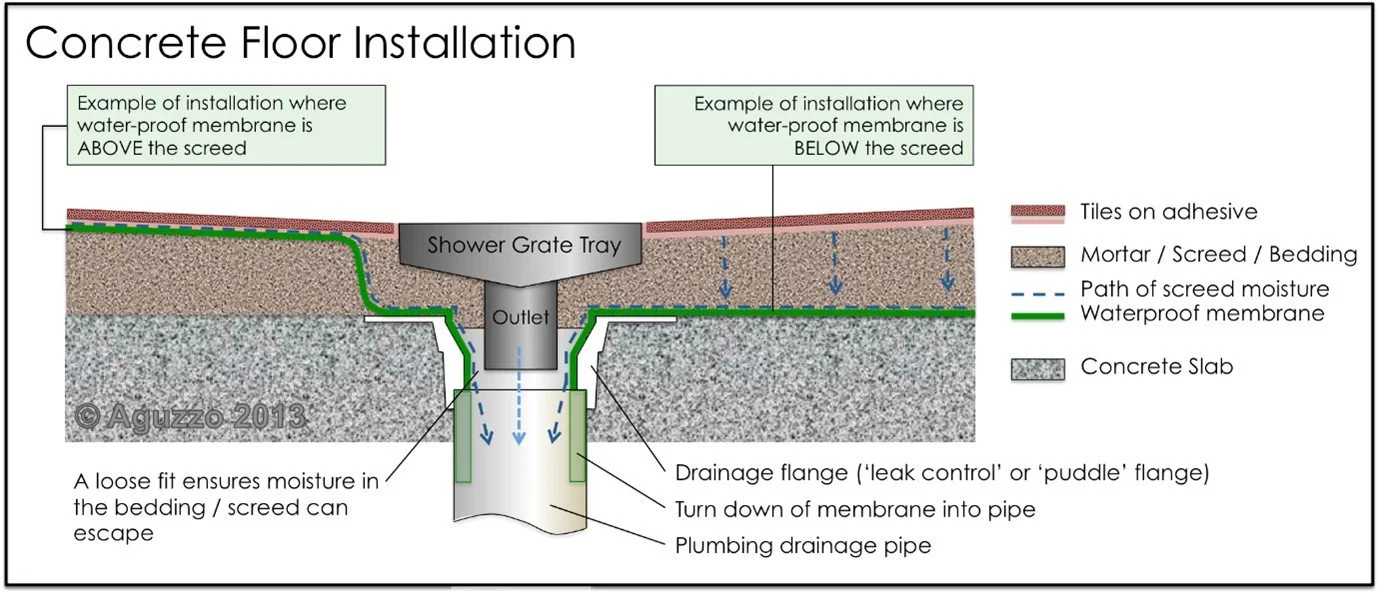
Waterproofing failures are rarely due to the product alone—they’re almost always the result of using the wrong system for the application and movement itself.
At Assaly Constructions, the approach is simple:
- We only use Class III membranes for maximum flexibility and performance
- Assess the structure thoroughly
- Identify movement and environmental conditions
- Apply the membrane with precision
This ensures:
- Long-term performance
- Proper tile adhesion
- Reduced risk of costly rectification
Simple Breakdown
| Class | MAF | Flexibility | Risk Level |
|---|---|---|---|
| Class I | ≤ 25% | Low | High risk of cracking |
| Class II | 25–50% | Medium | Standard performance |
| Class III | ≥ 50% | High | Best protection |
Which Class III Membrane is Best: Oil/Solvent-Based or Water-Based?
Water-based polyurethane waterproofing membranes are generally the better choice for tiled wet areas for several key reasons:
- Much Better Tile Adhesion
- Solvent-based membranes often cure to a smooth surface that prevents proper bonding
- This can lead to tile de-bonding, hollow tiles, and grout cracking over time
- Designed for Tiling Systems
- Water-based systems are developed specifically for use under tiles
- They comply with modern waterproofing standards
- Better Compatibility
- Work effectively with cement-based adhesives and screeds
- Ensure reliable long-term bonding
- Safer for Indoor Use
- Low VOC levels
- Minimal fumes and safer application
- Easier clean-up
Summary
Water-based polyurethane waterproofing membranes are preferred because they:
- Provide stronger tile adhesion
- Work seamlessly with tiling systems
- Avoid common adhesion failures
- Are safer to apply indoors
- Offer better compatibility with finishes
Most importantly, solvent-based membranes can create surfaces that tile adhesives struggle to bond to—leading to failure over time.
Waterproofing isn’t something you see—but it’s something you rely on every day.
Choosing the correct membrane class is the difference between a renovation that lasts years and one that fails prematurely.
Remember, the biggest cause of waterproofing failure is movement—not water itself.
And Class III handles movement best.